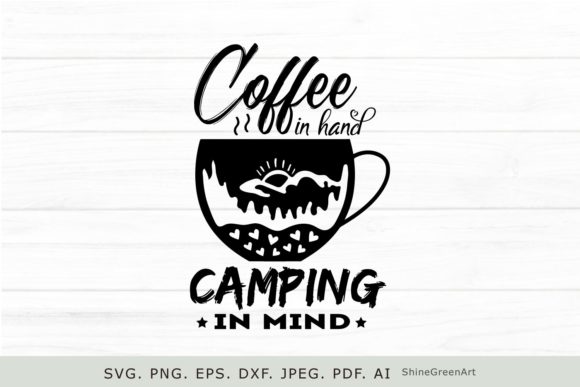
Coffee in Hand, Camping in Mind: A Designer's Review
As a designer who spends more time staring at stitch simulations than actual campfires, I approach new machine embroidery design files with a specific set of criteria. It is not just about whether the image looks cute on a screen; it is about how that image translates into thread, how it sits on fabric, and whether it holds up under the scrutiny of a paying customer. Recently, I evaluated the "Coffee in Hand, Camping in Mind" graphic for a potential run of custom tote bags and sweatshirts for a local outdoor gear boutique. This review breaks down the practical realities of using this embroidery project in a commercial or serious hobbyist setting.
First Impressions and Visual Personality
The moment you unzip the folder containing the digital embroidery file, the versatility stands out. You are provided with a comprehensive suite of formats including SVG, PNG, EPS, DXF, JPEG, and PDF. For an embroidery specialist, the SVG and DXF files are the gateways to digitizing, while the high-resolution PNG serves as an excellent reference for creating printable mockup images for Etsy listings or social media teasers before a single stitch is dropped.
The phrase "Coffee in Hand, Camping in Mind" captures a very specific, relatable mood. It speaks to the quiet morning ritual that defines the camping experience for many. Visually, the layout suggests a balance between typography and iconography. In my initial assessment, the design feels approachable and rustic without being overly cluttered. For a craft business owner, this thematic resonance is gold; it targets a niche that is passionate and willing to spend money on items that reflect their lifestyle. The simplicity of the concept allows it to breathe on a garment, avoiding the heavy, dense look that often plagues amateur design assets.
Real-World Application: The Tote Bag Test
To truly gauge the viability of this design, I simulated its application on a canvas tote bag, a staple item for any small shop product line. Canvas offers a stable weave, making it ideal for testing stitch density and clarity. When visualizing the transition from a vector graphic to a stitched reality, the key consideration is how the text interacts with the accompanying imagery.
If you are digitizing this yourself from the provided SVG, or if you are using a pre-digitized version, the goal is to maintain legibility. On a tote bag, the design needs to be large enough to be read from a distance but refined enough to look professional up close. I envision this working beautifully as a sweatshirt embroidery piece as well. Placed on the left chest of a heather grey hoodie, the sentiment becomes a subtle badge of honor for the wearer. Alternatively, centered on the back of a flannel shirt, it becomes a statement piece perfect for fall festivals or weekend getaways.
For Etsy sellers focusing on personalized gift markets, this design offers a fantastic base. Imagine adding a family name or a specific date beneath the main quote using a complementary font. This transforms a standard graphic into a bespoke handmade product that commands a higher price point. The emotional connection to coffee and nature makes it an evergreen seller, relevant for Father's Day, Christmas, or birthday gifts for the outdoorsy friend.
Navigating Fabric Challenges and Stitch Types
While the design concept is strong, the execution depends entirely on your handling of materials. When working with textured fabrics like Terry cloth towels or thick fleece blankets, you must be wary of small details getting lost. If the original graphic includes fine lines or tiny serifs in the lettering, these may need adjustment. In embroidery terms, you might need to convert delicate areas into a solid fill stitch rather than relying on a complex running stitch that could sink into the pile of the fabric.
For stretchy materials, such as performance tees or baby onesies, stability is paramount. A design with significant coverage requires a robust stabilizer. I recommend using a cut-away stabilizer for garments that will undergo frequent washing, ensuring the finished product does not pucker over time. If you are attempting this on a cap, remember that curved surfaces distort designs. The text "Coffee in Hand, Camping in Mind" must be arched correctly in your digitizing software to appear straight to the human eye once stitched onto the front panel.
Color selection is another critical factor. While the black-and-white contrast of the source file is classic, do not be afraid to experiment with thread colors. A warm brown for the coffee cup paired with a forest green for the text could enhance the camping theme. However, always test your thread choices against the fabric color. On dark navy jackets, a light cream or gold thread will pop, whereas stitching dark brown on black fabric might render the design invisible unless you utilize a satin stitch border to create definition.
Commercial Viability and Brand Consistency
For those running a craft business, consistency is key to building trust. This design fits well within a broader collection of outdoor-themed apparel. If you are selling custom apparel, ensure that the scale of this design matches other items in your shop so your brand looks cohesive. An embroidered patch version of this design could also be a lucrative add-on. Patches allow customers to apply the design to gear that cannot be easily embroidered, such as heavy-duty backpacks or leather jackets.
When listing this as a commercial embroidery service or selling the physical goods, clarity about the file usage is essential. The product description indicates you receive various file types, which is excellent for flexibility. However, always double-check the specific licensing terms included in the download. Some creators allow unlimited sales of finished physical goods but restrict the resale of the digital file itself. Protecting your small business from copyright issues is just as important as the quality of your stitching.
Practical Notes for the Embroiderer
Before committing to a production run, treat every new design with skepticism until proven otherwise. Here is my checklist for integrating "Coffee in Hand, Camping in Mind" into your workflow:
- Test on Scrap: Always stitch a sample on the exact fabric you intend to sell. What looks good on muslin might behave differently on twill or jersey.
- Check Hoop Size: Ensure the design fits comfortably within your machine's hoop size limits without needing excessive re-hooping, which can lead to alignment errors.
- Inspect Small Details: Zoom in on the digitized preview. Are there any jump stitches that are too long? Do the letters have enough spacing to prevent thread bridging?
- Contrast Matters: If the design relies on outline strokes, ensure they are thick enough to be visible. Thin outlines can disappear on textured fabrics.
- Wash Testing: Wash and dry your sample multiple times. This reveals if the stitch density causes puckering or if the threads fray.
In the world of Crafts and Graphics, the difference between a good idea and a great product is often in the details. "Coffee in Hand, Camping in Mind" has the charm and relevance to be a bestseller, provided it is executed with technical precision. Whether you are creating a cozy holiday embroidery gift for a neighbor or stocking inventory for a boutique, this design offers a solid foundation. By respecting the limitations of your materials and paying attention to the nuances of digitizing, you can turn this simple quote into a high-value asset for your portfolio.
Ultimately, the success of this embroidery file lies in your ability to translate its digital potential into tactile reality. With the right fabric, proper stabilization, and a keen eye for detail, this design can become a signature piece in your collection of personalized products. It reminds us that sometimes the best designs are the ones that speak directly to the heart of the user's passions, stitching together comfort and adventure one thread at a time.