Carrots for the Easter Bunny: A Designer’s Review
As an embroidery designer who has spent years digitizing and stitching thousands of designs, I approach every new file with a mix of curiosity and skepticism. We all know that what looks crisp on a computer screen does not always translate seamlessly to fabric. When I first opened Carrots for the Easter Bunny, my immediate goal was to determine if this graphic held up under the needle. This is not just about aesthetics; it is about functionality, stitch quality, and the final impression left on a customer or gift recipient.
The design falls squarely into the Crafts and Graphics category, featuring a playful Kids Easter Quote. While the product description notes compatibility with paper crafting programs like Cricut Explore and Silhouette, my focus here is strictly on its potential as a machine embroidery design. For those of us running small shops or creating personalized gifts, understanding how a digital embroidery file behaves in real-world scenarios is critical before we commit to production.
First Impressions and Visual Personality
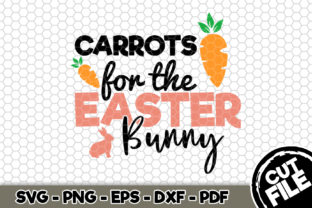
The mood of Carrots for the Easter Bunny is undeniably cheerful and whimsical. It captures the essence of spring without being overly cluttered. The layout appears balanced, with the quote serving as the focal point while the carrot imagery adds a thematic anchor. From a design perspective, this simplicity is often a strength in embroidery. Complex, overly detailed graphics can become muddy when stitched out, especially at smaller sizes. This design seems to respect the limitations of the medium, offering clear shapes that should translate well into satin stitch or fill stitch applications.
When evaluating the visual personality, I look for versatility. Does this design scream "one-time use," or can it be adapted? The playful nature suggests it is perfect for holiday embroidery projects, but its clean lines could also allow it to work in nursery decor beyond just the Easter season. For an Etsy seller or craft business owner, this adaptability increases the value of the design asset, allowing for a broader range of finished products.
Real-World Application: The Tote Bag Test
To truly evaluate Carrots for the Easter Bunny, I imagined a specific real-life scenario: producing a run of custom tote bags for a local boutique’s spring collection. Tote bags are a staple for small shop products, but they present unique challenges due to the woven texture of canvas or cotton fabrics.
In this context, the design’s performance would depend heavily on stitch density and thread colors. A lighter fabric would require careful selection of thread hues to ensure the quote remains legible. If the design relies on fine details, the texture of the tote bag could interfere with clarity. However, if the graphic uses bold outlines and sufficient fill stitch coverage, it should pop nicely against a neutral background. This is where testing becomes non-negotiable. I would never run a full batch without first stitching a sample on scrap fabric identical to the final product.
Beyond tote bags, consider custom apparel. Sweatshirt embroidery requires different considerations than t-shirts. The pile of a fleece sweatshirt can swallow small details. If Carrots for the Easter Bunny includes tiny lettering or intricate carrot tops, these might get lost in the fabric texture. In such cases, using a cutaway stabilizer is essential to provide enough support for the stitches to sit on top of the fabric rather than sinking in. For baby embroidery, such as onesies or bibs, the softness of the garment means you must ensure the stitch density is not too high, which could make the finished product stiff and uncomfortable against sensitive skin.
Navigating Technical Challenges
Every embroidery project has its pitfalls, and this design is no exception. There are specific situations where you should use Carrots for the Easter Bunny with caution. Small hoop sizes are a primary concern. If you attempt to shrink the design to fit a 4x4 inch hoop, you risk compromising the readability of the quote. Always check the minimum recommended size before resizing. If the original file does not specify this, err on the side of caution and keep it larger.
Textured fabrics and stretchy materials also demand attention. Stitching on a pique polo or a ribbed knit requires a robust stabilizer strategy. Without proper backing, the design may pucker or distort after washing. Additionally, curved surfaces like caps present a challenge for any flat graphic. If you plan to use this as an embroidered patch on a hat, ensure the design width fits the cap’s front panel without wrapping around the sides, which can cause visibility issues.
Dense stitch areas are another factor to monitor. If the carrots feature heavy saturation, they may pull on lightweight fabrics like tea towels or thin cotton shirts. In these instances, a running stitch outline or a lighter fill might be preferable, though this depends on the actual digitization of the file. Since the product description mentions SVG and PNG formats alongside the embroidery file, it is crucial to verify that the embroidery-specific file (likely PES, DST, or similar) is properly digitized for machine use, distinct from the cutting files intended for Cricut or Silhouette users.
Enhancing Brand Value and Customer Trust
For commercial embroidery and handmade product sellers, the quality of your design directly impacts brand consistency and customer trust. A sloppy stitch-out can damage your reputation, while a crisp, professional-looking Carrots for the Easter Bunny can enhance your brand’s perceived value. When customers receive a personalized gift or a boutique item that looks polished, they are more likely to engage with your shop again.
This design can significantly boost buyer engagement during the spring season. Holiday gifts featuring cute, thematic graphics tend to perform well on social media, providing excellent opportunities for printable mockups and digital product previews. By showcasing the design on various items—such as aprons, pillow covers, or blankets—you demonstrate its versatility to potential buyers. This visual proof helps customers envision the finished product in their own homes, driving sales for your small business.
Practical Notes for the Embroidery Designer
Before you load Carrots for the Easter Bunny into your machine, take a moment to review these practical steps. First, always test the design on scrap fabric. This allows you to check thread color contrast and identify any potential tension issues. Second, inspect the small details. Zoom in on the digitized file to see how the corners and curves are handled. Are there excessive jump stitches? Is the underlay sufficient?
Third, compare how the design looks on light versus dark fabric backgrounds. You may need to adjust thread colors or add a backing layer to ensure visibility on darker materials. Fourth, confirm licensing terms. While the file is suitable for crafts and graphics, ensure you have the right to use it for commercial embroidery projects if you plan to sell finished items. Finally, consider the hoop size relative to your garment. Positioning matters; a design placed too low on a sweatshirt or too high on a tote bag can look awkward.
In conclusion, Carrots for the Easter Bunny offers a charming option for spring-themed projects. Its success lies in thoughtful execution. By respecting the technical requirements of embroidery—such as stabilizer choice, fabric texture, and stitch density—you can transform this digital embroidery file into a standout handmade product. Whether you are an experienced designer or a hobbyist looking to create memorable personalized gifts, this design holds promise when approached with a critical, professional eye.