Just One More Chapter: A Designer’s Embroidery Review
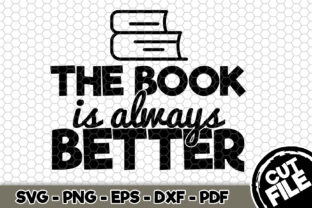
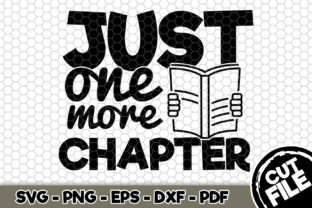
As a designer who spends more time staring at stitch simulations than I do sleeping, I have learned to be skeptical of quote-based designs. Text is tricky. In the world of machine embroidery design, typography can easily become a tangled mess of thread breaks and puckered fabric if the digitizing isn’t precise. So, when I pulled up the file for Just One More Chapter, I wasn’t looking for hype. I was looking for usability. I wanted to know if this graphic would hold up on a real product, or if it was just another pretty picture that fails under the needle.
The first impression is welcoming. The phrase speaks directly to the heart of every reader, creating an immediate emotional connection. But beyond the sentiment, the visual layout feels balanced. It doesn’t scream for attention; instead, it invites a closer look. For those of us in the craft business, this subtle confidence is gold. It suggests a product that feels high-end rather than mass-produced. Whether you are an Etsy seller looking to expand your literary-themed collection or a hobbyist making a personalized gift for a friend, the mood here is cozy, intellectual, and calm.
Real-World Application: The Tote Bag Test
To truly evaluate an embroidery file, you have to imagine it on fabric. I mentally placed this design on a natural canvas tote bag. This is a classic use case for book lovers. The texture of canvas provides a sturdy base that can handle moderate stitch density without warping. In this scenario, Just One More Chapter works beautifully as a central focal point. The lines of the text likely rely on a combination of satin stitch for boldness and running stitch for finer details, though you must verify the specific stitch types in your software before loading it onto your machine.
If I were producing this for a small shop product, I would consider scaling it to fit a 5x7 or 6x10 hoop. The proportions seem flexible enough to handle slight resizing, but caution is key. Shrinking it too much for a small pocket on a baby onesie might cause the letters to merge, losing legibility. Conversely, blowing it up for a large sweatshirt embroidery project could expose any gaps in the fill if the digitizing isn’t tight. My advice? Always run a test stitch-out on scrap fabric that matches the weight of your final material. This simple step saves hours of frustration and ensures your finished product looks professional.
Fabric Choices and Stitch Performance
The success of any embroidery project depends heavily on the interaction between thread and fabric. For Just One More Chapter, I recommend sticking to medium-weight fabrics like cotton twill, denim, or stable knits. These materials provide enough structure to support the text without requiring excessive stabilizer. If you are working with textured fabrics, such as a waffle-knit towel or a fuzzy fleece, be aware that fine details might get lost. In those cases, increasing the contrast between your thread colors and the fabric background becomes essential.
Speaking of color, this design offers a fantastic opportunity to play with palette psychology. A classic black thread on white cotton screams library chic. However, swapping to a deep navy or forest green can soften the look, making it feel more organic and less stark. For a holiday embroidery twist, imagine this stitched in crimson on a cream linen napkin. It transforms from a everyday item into a thoughtful hostess gift. Just remember that dark fabrics require careful tension settings to prevent the white or light-colored threads from sinking into the weave. Using a topping stabilizer can help keep the stitches sitting on top of the fabric, maintaining clarity.
Navigating Technical Constraints
While the aesthetic appeal is strong, we must address the technical realities. The description notes that this is a craft file compatible with programs like Cricut Explore and Silhouette. This is a crucial distinction. If you are an embroidery specialist, you need to confirm that you have the correct digital format for your machine, such as PES, DST, or JEF. Do not assume compatibility. Import the file into your editing software to inspect the node points and trim commands. Are there unnecessary jumps? Is the underlay sufficient?
Another consideration is the application surface. Curved surfaces, like caps or hats, present a challenge for text-based designs. If you plan to use Just One More Chapter on a cap, ensure the design is narrow enough to fit the front panel without wrapping around the sides. Distortion on curved seams can make straight lines look wavy. For flat items like pillow covers or aprons, this risk is minimal. However, always check the recommended hoop size provided by the creator. Trying to force a large design into a small hoop will result in skipped stitches and broken needles.
Commercial Viability and Brand Consistency
For commercial embroidery professionals and digital embroidery file sellers, the versatility of this design is its strongest asset. It fits seamlessly into several niches: education, literacy advocacy, cozy home decor, and self-care. When building a brand, consistency matters. If your shop focuses on minimalist, modern aesthetics, this clean typographic approach aligns well. If your brand is more whimsical, you might pair this text with small decorative elements like glasses or a stack of books, provided you have the rights to modify the design.
Customer trust is built on quality. A poorly stitched quote looks cheap, regardless of the sentiment. By taking the time to test thread tensions, choose high-quality threads, and select appropriate stabilizers, you elevate the perceived value of the item. A well-executed embroidered patch or tote featuring this quote becomes a conversation starter. It signals that the maker cares about details. This attention to detail encourages repeat buyers and positive reviews, which are vital for any craft business.
Final Verdict for Makers
In my evaluation, Just One More Chapter is a solid addition to any designer’s library. It is not overly complex, which makes it accessible for beginners, yet it has enough character to satisfy experienced stitchers. It bridges the gap between simple graphics and functional crafts. Whether you are creating a baby embroidery piece for a nursery library corner or a rugged tote bag design for a university student, the core message remains relevant and charming.
Before you start stitching, take a moment to review the license terms. Can you sell finished items? Can you use it in printable mockup previews for your online store? Clarifying these legal aspects protects your business. Once cleared, treat this design with the respect it deserves. Test it, tweak it, and stitch it with precision. The result will be a handmade product that resonates with anyone who loves the quiet joy of getting lost in a good book. Happy stitching.