Reviewing No Pinch Zone - St. Patrick s Day for Real Use
As an embroidery designer who has spent years digitizing patterns and testing them on everything from flimsy rayon to heavy denim, I approach every new machine embroidery design with a mix of curiosity and skepticism. We have all seen those cute digital files that look perfect on a screen but turn into a tangled mess of thread breaks and puckering once they hit the fabric. That is why I took a close, practical look at No Pinch Zone - St. Patrick s Day. This isn’t just about whether it looks festive; it is about whether it holds up in a real-world embroidery project.
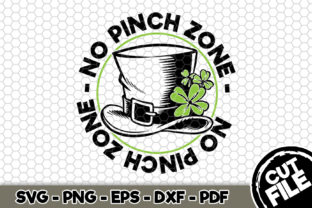
The first thing that strikes you about this Graphics file is its thematic clarity. It leans heavily into the playful side of the holiday, featuring the classic leprechaun motif paired with the word "Shenanigans." For those of us running a craft business, we know that humor sells. It creates an immediate emotional connection. The layout suggests a balanced composition, which is critical when you are working within the constraints of a standard hoop. It does not feel overly crowded, nor does it feel sparse. It sits in that sweet spot where the design has enough presence to be noticed on a garment without overwhelming the wearer.
Real-World Application: The Tote Bag Test
To truly evaluate No Pinch Zone - St. Patrick s Day, I imagined a specific scenario: creating a limited-run batch of canvas tote bags for a local boutique’s March promotion. Canvas is a forgiving fabric, but it requires careful attention to stitch density. If a design is too dense, the bag becomes stiff and board-like. If it is too light, the background fabric shows through, ruining the visual impact.
In this context, the design performs well as a focal point. The quote element provides a horizontal anchor, while the leprechaun graphic adds vertical interest. When stitched out with high-quality polyester threads, the colors pop against natural cotton canvas. This makes it an ideal candidate for a tote bag design that needs to be both durable and eye-catching. For an Etsy seller, this kind of versatility is gold. You are not just selling a stitch pattern; you are selling a finished product that feels professional and thoughtfully made.
Versatility Across Products
Beyond totes, where else does this embroidery file shine? I see strong potential in sweatshirt embroidery. Hoodies and crewnecks have become staples of casual wear, and a well-placed chest or sleeve design can elevate a basic garment into a personalized gift or a trendy streetwear piece. The playful nature of the "Shenanigans" quote fits perfectly with the relaxed vibe of fleece fabrics. However, because fleece has a pile, you must ensure your digitizing includes appropriate underlay stitches to prevent the design from sinking into the fabric. While I cannot confirm the exact internal digitizing of this specific file without seeing the source data, the visual complexity suggests it would benefit from a medium-weight cut-away stabilizer to maintain shape.
For those interested in baby embroidery, caution is advised. While the theme is fun, the detail level might be too intricate for tiny onesies unless scaled down significantly. Always check the minimum recommended size before attempting to stitch this on small garments. Conversely, for custom apparel like adult t-shirts, the design likely scales well. Using a lightweight tear-away stabilizer on jersey knits can help achieve a clean finish without adding bulk.
Technical Considerations for Designers
Let’s talk about the technical side, because this is where many hobbyists stumble. The description notes that this file can be imported into various programs, including Cricut Explore and Silhouette, which indicates it is likely provided in versatile vector or compatible graphic formats. This is excellent for multi-crafters who switch between cutting and stitching. However, if you are using this strictly for machine embroidery, you must ensure you have the correct format for your specific machine (such as PES, DST, or JEF). Always verify the file types included in the download package.
One critical aspect to consider is thread colors. St. Patrick’s Day designs typically rely on vibrant greens, oranges, and whites. When reviewing No Pinch Zone - St. Patrick s Day, think about contrast. If you are stitching on a dark green shirt, will the design disappear? A smart move is to test the design in a black-and-white mockup first. This helps you identify areas where value contrast might be lost. If the leprechaun’s hat and the text are similar shades of green, you may need to adjust your thread palette to include a lighter lime or a stark white to ensure readability.
Additionally, pay attention to the hoop size. Complex designs with quotes often require a 5x7 or 6x10 hoop to maintain legibility. Trying to cram a detailed quote into a 4x4 hoop often results in tiny, illegible lettering that frustrates customers. Check the dimensions provided with the digital embroidery file before you commit to a small project like a cap or a pocket patch.
Navigating Fabric and Texture Challenges
Fabric texture plays a massive role in how this design translates. On smooth broadcloth or polished cotton, the satin stitches and fill areas will look crisp and defined. On textured fabrics like linen or waffle knit, the edges might appear softer. This isn’t necessarily a bad thing—it can add a rustic charm—but it changes the aesthetic. If you are aiming for a sharp, modern look for a small shop product, stick to smooth fabrics. If you are going for a cozy, handmade feel, textured fabrics work beautifully.
Be cautious with stretchy fabrics. Without proper stabilization, the tension from the embroidery can cause the fabric to pucker, especially around the denser parts of the leprechaun graphic. Always use a hoop-within-a-hoop technique or magnetic hoops if available to keep the fabric taut and stable during stitching. This ensures that your finished product looks professional and not homemade in the negative sense.
Commercial Viability and Brand Consistency
For commercial embroidery professionals, consistency is key. If you plan to sell items made with No Pinch Zone - St. Patrick s Day, you need to know the licensing terms. Most designers allow commercial use for physical products, but restrictions may apply to digital resale. Always read the license agreement included with your purchase. Assuming commercial use is permitted, this design offers great value. It is seasonal, which means you can create urgency in your marketing. Limited-time offers for St. Patrick’s Day drive sales, and having a ready-to-stitch, high-quality design saves you hours of digitizing time.
Moreover, the design supports brand consistency. If your brand voice is playful and whimsical, this file aligns perfectly. It allows you to create a cohesive collection of holiday embroidery items, from kitchen towels to aprons, that tell a consistent story. Customers appreciate this attention to detail. It builds trust and encourages repeat business.
Final Verdict for Makers
In conclusion, No Pinch Zone - St. Patrick s Day is a solid addition to any designer’s library of design assets. It balances festive flair with practical applicability. Whether you are creating a printable mockup for your online store or stitching a one-of-a-kind embroidered patch for a friend, this design offers flexibility. Just remember to test on scrap fabric, choose your stabilizer wisely, and respect the limitations of your hoop size. By treating this Crafts file with the technical respect it deserves, you can produce high-quality items that delight customers and enhance your reputation as a skilled maker.