Reviewing Welcome to the Garden for Embroidery Projects
As a designer who has spent countless hours digitizing and stitching out patterns, I have learned that not every pretty graphic translates well into thread. When I first pulled up Welcome to the Garden, my initial reaction was one of cautious optimism. The phrase itself evokes a sense of warmth, hospitality, and natural beauty, which are powerful emotional triggers for buyers in the handmade market. However, as an experienced embroidery product reviewer, I look past the surface-level charm to evaluate how this design functions in a real-world production environment. This is not just about whether it looks good on a screen; it is about how it behaves under the needle.
First Impressions and Visual Personality
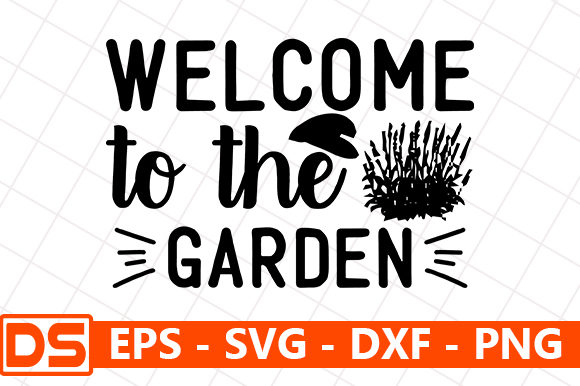
The mood created by Welcome to the Garden is distinctly inviting. It feels organic and grounded, making it an excellent candidate for projects that aim to bring a touch of nature indoors. From a layout perspective, the design balances text with thematic elements, likely incorporating floral or botanical motifs that complement the quote. For embroidery designers, the key question is always about the interplay between negative space and filled areas. If the design relies heavily on intricate details, it may struggle on textured fabrics. If it uses bold, clean lines, it will have greater versatility.
In terms of visual personality, this piece fits squarely into the "modern farmhouse" or "botanical chic" aesthetic. These styles remain perennial favorites among Etsy sellers and small shop owners. The design does not scream for attention but rather invites a closer look, which is ideal for items meant to be lived with, such as kitchen towels or tote bags. The graphical nature of the source files suggests that the original artist prioritized clean vectors, which is a promising sign for digitizers who need to convert these shapes into efficient stitch paths.
Real-World Application: The Tote Bag Test
To truly understand the value of a machine embroidery design, I mentally place it on a specific product. Let us consider a custom embroidered tote bag. This is a high-volume item for many craft businesses. A canvas tote provides a stable, flat surface that is forgiving for various stitch types. If I were stitching Welcome to the Garden onto a natural cotton canvas, I would be looking at how the thread colors interact with the fabric texture. A sage green or earthy brown thread would enhance the garden theme, while a stark white might get lost if the fabric is off-white.
The practicality of this design shines in its potential for personalization. Imagine a boutique offering personalized gifts for gardeners. Adding a name below the main quote could transform a standard item into a cherished keepsake. However, this requires careful planning. If the original design is dense, adding more text could create a stiff, heavy patch on the fabric. I would recommend testing the stitch density on scrap fabric before committing to a final product. This step is crucial for maintaining the drape and feel of the tote bag, ensuring it remains functional and not just decorative.
Versatility Across Product Lines
Beyond tote bags, Welcome to the Garden has strong potential in other categories. For sweatshirt embroidery, the design needs to hold up against the fleece or cotton blend without sinking into the fabric. This is where the choice of stabilizer becomes critical. A cut-away stabilizer might be necessary to support the weight of the stitches, especially if the design includes large fill areas. For baby embroidery items like onesies or bibs, the design must be scaled down appropriately. Tiny lettering can become illegible if reduced too much, so I would advise checking the readability of the text at smaller sizes.
The design also works well for home decor, such as pillow covers or aprons. In a kitchen setting, an apron with this quote adds a whimsical yet professional touch for someone who loves gardening or cooking with fresh ingredients. For holiday embroidery projects, particularly around spring or Earth Day, this design can be a bestseller. It aligns perfectly with seasonal trends that celebrate renewal and nature. As a digital embroidery file, its adaptability allows creative entrepreneurs to create cohesive collections across different product types, enhancing brand consistency.
Technical Considerations and Potential Pitfalls
While the aesthetic appeal is strong, there are technical aspects that require careful attention. One common issue with quote-based designs is the legibility of small letters. If Welcome to the Garden features thin serif fonts or intricate script, these elements may not stitch out cleanly on all machines. Satin stitch borders around small letters can become bulky, while running stitch outlines might disappear on textured fabrics. I recommend inspecting the digitized version closely for any areas where the thread path might cause puckering or gaps.
Another consideration is the hoop size. Ensure that the design fits comfortably within your standard hoops, typically 5x7 or 6x10 inches. If the design is too large, it may require re-hooping, which introduces the risk of misalignment. For curved surfaces like caps, the design might need significant adjustment to prevent distortion. The rigid nature of some botanical elements might not conform well to the curve of a hat brim, so I would suggest using this design primarily on flat or slightly curved surfaces.
Fabric choice also plays a pivotal role. On dark fabrics, you may need to use a lighter underlay or a backing layer to ensure the top threads pop. Conversely, on stretchy fabrics like jersey knits, the tension of the stitches could cause the garment to warp. Testing on similar fabric scraps is non-negotiable. This practice saves time, materials, and reputation in the long run. It allows you to adjust tension, stabilizer type, and thread colors before producing the final finished product.
Commercial Viability and Brand Value
For Etsy sellers and small shop products, the commercial viability of a design depends on its uniqueness and execution. Welcome to the Garden offers a classic theme that appeals to a broad audience. However, standing out in a crowded market requires high-quality presentation. Using printable mockup tools to showcase the design on various items can help customers visualize the end result. High-resolution images that highlight the texture of the stitches build trust and convey professionalism.
From a branding perspective, consistent use of such designs can help establish a recognizable style. If your brand focuses on nature-inspired goods, this design reinforces that identity. It signals to customers that you pay attention to detail and care about the thematic coherence of your offerings. Moreover, offering this as part of a bundle with other garden-themed items can increase average order value. It encourages customers to buy multiple items, such as a matching towel and apron set.
Final Designer Notes
Before integrating Welcome to the Garden into your workflow, take a moment to review the provided files. The ZIP file contains EPS, SVG, PNG, and DXF formats, which are versatile for both cutting machines and digital design work. However, remember that these are graphics, not necessarily ready-to-stitch embroidery files. You may need to digitize them yourself or hire a professional digitizer to convert them into a format your machine can read, such as PES or DST. Always confirm licensing terms before selling finished items or digital products to ensure compliance.
In conclusion, Welcome to the Garden is a promising asset for creators who value thoughtful design and practical application. It offers a blend of aesthetic charm and functional versatility, suitable for a wide range of Crafts and Graphics projects. By paying attention to technical details like stitch density, fabric compatibility, and stabilizer choice, you can elevate this design from a simple graphic to a standout embroidered piece. Whether you are creating personalized gifts, custom apparel, or boutique merchandise, this design has the potential to resonate with customers who appreciate the beauty of the natural world. Approach it with a tester’s mindset, and it will reward you with reliable, beautiful results.