Coding Nerd: A Designer’s Take on Tech-Themed Embroidery
As an embroidery designer who spends half my life staring at digitized files and the other half pulling bobbins out of tangled messes, I have learned to look past the pretty preview images. When I first opened the Coding Nerd design, I wasn’t just looking for a cute graphic; I was looking for stitch integrity, layout balance, and commercial viability. In the world of Crafts and digital Graphics, it is easy to get swept up in trends, but a true professional evaluates how a design behaves under the needle. This review breaks down my practical experience with this file, focusing on how it translates from a screen to a tangible, high-quality finished product.
First Impressions: Mood and Visual Personality
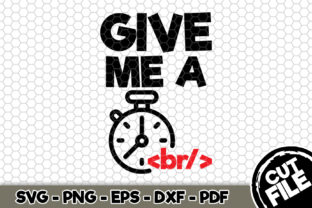
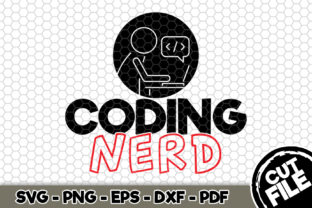
The immediate vibe of Coding Nerd is playful yet precise. It captures that specific subculture of computer programmers and tech enthusiasts without feeling overly childish or sterile. The layout typically features a blend of typographic elements and iconic tech imagery, creating a visual personality that appeals to developers, students, and anyone who identifies as a "nerd" with pride. For an embroidery project, this balance is crucial. If a design is too text-heavy, it becomes a stitching nightmare; if it is too abstract, it loses its message. This design strikes a comfortable middle ground, offering enough detail to be interesting but maintaining clear shapes that translate well into thread.
From a design perspective, the mood is inviting. It feels like something you would see on a laptop sticker or a coffee mug, which makes it an excellent candidate for transfer into textile formats. The visual weight seems distributed evenly, which suggests that when stitched out, it will lay flat without causing excessive puckering, provided the right stabilizer is used.
Real-World Application: The Custom Sweatshirt Test
To truly evaluate a machine embroidery design, you have to imagine it on a real garment. I recently considered this file for a custom order: a high-quality, heavyweight cotton sweatshirt for a software engineer’s birthday gift. The client wanted something subtle enough for daily wear but distinct enough to show personality. Coding Nerd fit this brief perfectly.
When planning the placement for sweatshirt embroidery, I looked at the chest area. The design’s proportions worked well for a left-chest placement, which is a standard, professional look for custom apparel. However, I also envisioned it larger on the back of a hoodie. Because the design relies on clear lines and recognizable symbols, it scales reasonably well. For a handmade product intended for sale, this versatility is a major asset. You can offer it as a small accent on a cap or a bold statement on a tote bag, maximizing the utility of a single embroidery file.
Beyond apparel, I see strong potential for this design in home goods. Imagine it stitched onto a sturdy canvas tote bag design for a coding bootcamp graduate, or even as a quirky accent on a pillow cover for a home office. The theme lends itself naturally to gifts for graduates, new hires in tech firms, or holiday presents for the gadget-lover in your life. It transforms a generic item into a personalized gift with specific cultural relevance.
Technical Considerations for Stitching Clarity
While the aesthetic is strong, the technical execution requires attention. As a reviewer, I always advise checking the stitch types before hitting "start." Designs with text or sharp geometric shapes often utilize a mix of satin stitch for borders and fill stitch for larger areas. In Coding Nerd, pay close attention to any small lettering or intricate code snippets. If these elements are too small, they may merge together during stitching, especially on fabrics with a noticeable weave.
Stitch density is another critical factor. If the design is heavily filled, it can become stiff and may pull on lightweight fabrics. For best results, I recommend using this design on medium-to-heavyweight materials like denim, canvas, twill, or fleece. If you are attempting baby embroidery on a soft onesie, you must use a high-quality cut-away stabilizer to support the weight of the threads. Without proper support, the fabric might pucker around the dense areas, ruining the clean look of the final product.
Additionally, consider the thread colors. Tech-themed designs often look best with high-contrast combinations, such as white or neon green thread on dark navy or black fabric. However, always test your color choices. A printable mockup can help visualize the contrast, but nothing beats a physical test stitch on scrap fabric. Check how the light hits the satin stitches; sometimes, changing the angle of the stitch direction can enhance the sheen and readability of the design.
Where to Use Caution
Not every surface is suitable for every design. While Coding Nerd is versatile, there are scenarios where I would hesitate to use it without significant modification. Curved surfaces, such as the front panel of a structured cap, can distort designs if they are too wide or complex. If you plan to create an embroidered patch or apply this to a hat, ensure the hoop size accommodates the design without stretching the fabric excessively. Distortion can make straight lines look wavy, which detracts from the "coded" precision the theme implies.
Furthermore, be cautious with textured fabrics like thick terry cloth towels or fuzzy fleece. The tiny details in the design might get lost in the pile of the fabric. In these cases, simplifying the design or increasing the size might be necessary to maintain clarity. Also, avoid using this on stretchy, thin knits unless you are an experienced embroiderer with the right stabilization techniques. The risk of tunneling or fabric distortion is high, which can lead to customer dissatisfaction if you are running a craft business.
Commercial Value and Brand Consistency
For Etsy sellers and small shop owners, the commercial appeal of Coding Nerd lies in its niche specificity. It targets a demographic that is often underserved in the handmade market. By offering this design on high-quality blanks, you elevate the perceived value of your small shop product. It signals that you understand your customer’s identity, fostering brand consistency and trust.
However, before listing any finished product or using this as part of your design assets, you must verify the licensing terms. The product description mentions compatibility with various cutting machines and programs, but it does not explicitly state the commercial rights for embroidery. Always confirm whether the license allows for the sale of physical items. Protecting your business from copyright issues is just as important as the quality of your stitching.
Final Verdict and Practical Tips
In conclusion, Coding Nerd is a solid addition to any designer’s library, provided it is used with intention. It offers a fun, modern aesthetic that resonates with a specific audience, making it ideal for holiday embroidery gifts, graduation presents, or everyday commercial embroidery projects. To get the best results:
- Always test stitch on scrap fabric similar to your final material.
- Use appropriate stabilizers, especially for stretchy or lightweight fabrics.
- Check the hoop size requirements to ensure the design fits your machine’s capacity.
- Verify the file formats included to ensure compatibility with your specific embroidery software.
- Experiment with thread contrasts to maximize readability and visual impact.
By treating this digital embroidery file with the technical respect it deserves, you can create stunning, professional-grade items that customers will love. Whether you are decorating a kitchen towel or branding a line of tech-apparel, this design has the potential to perform beautifully in the right hands.