Hocus Pocus: A Designer’s Take on Halloween Embroidery
As we approach the autumn season, the demand for seasonal decor and apparel spikes dramatically. For those of us in the craft business, finding the right design assets that balance whimsy with professional execution is crucial. I recently evaluated the Hocus Pocus graphic set to determine its viability for real-world embroidery projects. This isn’t just about downloading a file; it is about understanding how a design translates from a digital screen to a textured, stitched finished product.
First Impressions and Visual Personality
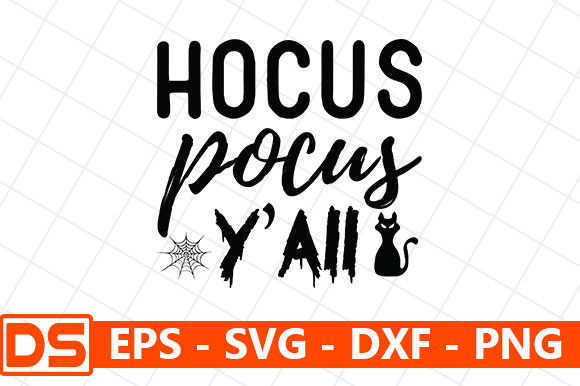
The phrase "Hocus pocus y all" immediately sets a tone that is playful, Southern, and distinctly Halloween-themed without being overly spooky. From a design perspective, this mood is essential for broadening your customer base. It appeals not just to hardcore horror fans, but to families, teachers, and casual celebrants looking for festive yet friendly decor. The layout suggests a casual, hand-lettered aesthetic, which typically performs well in embroidery because it forgives minor tension variations better than rigid, geometric fonts.
When reviewing Graphics intended for Crafts, I look for visual weight. Does the design have enough substance to hold its own on fabric? The Hocus Pocus concept relies heavily on typography. In embroidery, text-heavy designs require careful attention to letter spacing and stroke width. If the letters are too thin, they may disappear into the fabric texture or break during washing. If they are too dense, the fabric may pucker. My initial assessment suggests this design is best suited for medium-weight fabrics where the stitches can sit comfortably without overwhelming the material.
Real-World Application: The Tote Bag Test
To truly evaluate a machine embroidery design, you must visualize it on a specific product. I imagined applying this design to a canvas tote bag design project. Canvas is a sturdy, woven fabric that provides an excellent foundation for embroidery. The rustic charm of the "y all" phrasing pairs perfectly with the natural texture of cotton canvas.
In this scenario, the design would likely serve as a central focal point. Using a satin stitch for the outlines and a fill stitch for the body of the letters would give the text a raised, tactile quality that customers love in handmade products. The contrast between the thread and the natural beige of the canvas would be striking, especially if using traditional Halloween colors like deep orange, purple, or black. This type of personalized gift has high perceived value because it feels custom and thoughtful, rather than mass-produced.
Another strong candidate for this design is sweatshirt embroidery. A crewneck sweatshirt in heather grey or black provides a soft, cozy backdrop. Here, the design acts as a statement piece. However, working with knit fabrics requires extra caution. You must ensure your stabilizer choice is robust enough to prevent the fabric from stretching out of shape during stitching. A cut-away stabilizer is often recommended for garments that will be washed frequently, ensuring the embroidered patch effect remains crisp over time.
Navigating Technical Challenges
While the concept is strong, practical execution requires vigilance. One common pitfall with quote-based designs is the handling of small details. If the apostrophe in "pocus" or the tails of the letters are too fine, they may not stitch out cleanly on lower-end machines or with certain thread types. I always advise testing the design on scrap fabric first. This allows you to check thread colors for vibrancy and ensure that the stitch density is appropriate for your chosen material.
Consider the hoop size constraints. If you are working with a smaller hoop, you may need to resize the design. Be cautious when scaling down text; legibility can suffer quickly. Conversely, scaling up too much might expose gaps in the fill stitches if the original digitizing wasn't optimized for larger formats. Always inspect the design at 100% zoom in your embroidery software before sending it to the machine.
Fabric texture also plays a pivotal role. On textured fabrics like terry cloth towels or fuzzy fleece, fine details can get lost. For these materials, consider using a slightly heavier thread or adjusting the underlay stitches to create a smoother foundation. For dark fabrics, ensure you are using high-contrast thread colors to maintain readability. A black thread on a navy shirt, for example, might look muddy from a distance.
Commercial Viability for Etsy Sellers
For Etsy sellers and small shop owners, versatility is key. The Hocus Pocus design is provided in multiple formats: EPS, SVG, PNG, and DXF. While these are primarily vector and image files suitable for cut machines and vinyl decals, their utility for embroiderers depends on whether you have access to the corresponding embroidery file formats (such as PES, DST, or JEF). The product description lists graphic formats, so if you are an embroiderer, you must confirm if a dedicated embroidery file is included or if you need to digitize the SVG yourself.
If you are using this as a reference for manual digitizing or if an embroidery file is indeed part of the package, the commercial potential is significant. Holiday items sell quickly, and having a ready-to-stitch design saves valuable production time. You can create a cohesive collection by pairing this design with other Halloween motifs, such as bats, pumpkins, or moons, to offer bundle deals. This strategy increases the average order value and encourages buyers to purchase multiple custom apparel items or home decor pieces.
Moreover, the design works well for printable mockup creation. High-quality images of the embroidered design on various products can enhance your online listings, helping customers visualize the final result. This builds trust and reduces hesitation, leading to higher conversion rates.
Practical Designer Notes
- Test Before Production: Always stitch a sample on the actual fabric you plan to use. Check for puckering, thread breaks, and color accuracy.
- Stabilizer Selection: Use a tear-away stabilizer for woven fabrics like tote bags and a cut-away for knits like sweatshirts to ensure durability.
- Thread Contrast: Choose thread colors that stand out against the fabric. Test combinations on scrap pieces to see how lighting affects the appearance.
- Check Licensing: Before selling commercial embroidery items, verify the license terms associated with the digital embroidery file or graphic asset. Ensure you have the right to sell finished physical goods.
- Hoop Management: Ensure the design fits comfortably within your hoop, leaving enough margin for clamping without stitching over the hoop edge.
- Detail Inspection: Zoom in on small elements like punctuation marks. If they are too small, consider simplifying them or increasing the stitch width for better coverage.
Final Verdict
The Hocus Pocus design offers a charming, seasonal aesthetic that fits well within the current market trends for friendly, festive decor. Its success in embroidery projects will depend largely on technical execution—specifically, proper stabilization, thread selection, and fabric choice. For designers and makers who pay attention to these details, this graphic can be transformed into a high-quality baby embroidery item, a stylish apron, or a popular holiday embroidery piece. By treating the digital asset with professional care and respecting the limitations of the medium, you can create products that delight customers and strengthen your brand reputation.