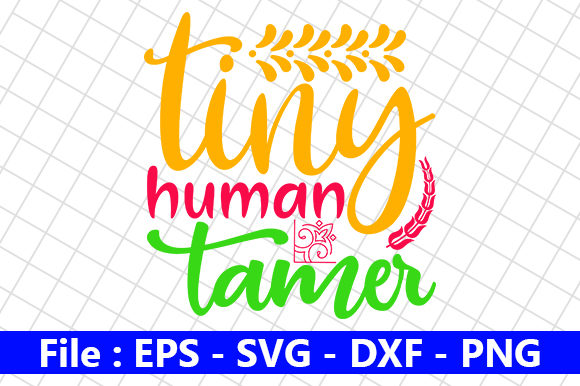
Tiny Human Tamer: A Designer’s Review for Embroidery
As an embroidery designer who has spent countless hours digitizing, testing, and stitching thousands of designs, I have developed a keen eye for what works in the real world. We often get swept up in the aesthetics of a digital embroidery file on a screen, but the true test is always how it translates to fabric. Recently, I evaluated Tiny Human Tamer, a baby quote design that has been circulating among crafters and small business owners. This review is not just about whether the design is cute—because it certainly is—but about its practical application in commercial and personal embroidery projects.
First Impressions and Visual Personality
The first thing that strikes you about Tiny Human Tamer is its playful yet confident tone. The phrase itself is a humorous nod to the chaotic reality of parenting, making it instantly relatable. From a design perspective, the layout appears balanced, with a typography-focused approach that likely relies on clean lines to ensure readability. In the realm of Crafts and Graphics, text-based designs are deceptively simple. They require precise spacing and font weight to avoid looking cluttered or illegible once stitched.
The mood created by this design is lighthearted and modern. It fits perfectly into the current trend of minimalist nursery decor and witty parental apparel. When I look at the provided files—EPS, SVG, PNG, and DXF—I see versatility. While these formats are often associated with cut machines and vinyl decals, their inclusion suggests that this design is intended for multi-platform use. However, for us embroidery specialists, the key question is how these vector shapes translate into stitch paths. Does the design rely on heavy fill stitches that might pucker thin fabric, or does it utilize lighter running stitches and satin stitches for a cleaner finish?
Real-World Application: The Custom Sweatshirt Test
To truly evaluate Tiny Human Tamer, I imagined a specific real-life scenario: a custom order for a new mother who wants a personalized gift for her partner. The chosen item is a high-quality, mid-weight cotton sweatshirt. This is a common request for Etsy sellers and craft business owners. The design needs to sit prominently on the chest or perhaps subtly on the sleeve.
In this context, the design performs well because of its likely moderate complexity. Baby-themed quotes often feature rounded, soft fonts which are forgiving on textured fabrics like fleece or French terry. If Tiny Human Tamer uses appropriate stitch density, it will lay flat without causing the garment to bunch. For a handmade product like this, the perceived value comes from the crispness of the edges. If the digitizer has optimized the underlay stitches, the final result will look professional, enhancing customer trust and encouraging repeat business.
Beyond apparel, this design is ideal for tote bag design projects. Canvas bags provide a stable surface for embroidery, allowing the text to stand out clearly. It also works beautifully for embroidered patch creation. Patches are a trending item in boutique branding, and a witty quote like this can become a signature element for a small shop product line. The ability to scale the design using the included SVG or EPS files allows for flexibility in hoop size, whether you are working with a 4x4 inch hoop for a pocket detail or a larger frame for a back panel.
Navigating Technical Challenges
While Tiny Human Tamer is versatile, there are areas where caution is necessary. Any experienced designer knows that text-based designs can be tricky on certain materials. If you are planning to use this on stretchy fabric, such as a baby onesie or a performance tee, proper stabilization is non-negotiable. A cut-away stabilizer is recommended to prevent the stitches from pulling apart over time, especially if the finished product will undergo frequent washing.
Another consideration is the size of the lettering. If you attempt to shrink Tiny Human Tamer too much for a small hoop size, the finer details of the letters may merge. This is a common issue with baby embroidery where space is limited. I advise testing the design on scrap fabric first to determine the minimum viable size. Additionally, when working on dark fabrics, consider using a lighter thread color to ensure contrast. A printable mockup can help visualize this, but nothing replaces a physical test stitch.
For those interested in commercial embroidery, it is crucial to check the licensing terms. The product description mentions usage for scrapbooking and cut machines, but explicit rights for selling finished embroidered items should be confirmed. Always verify whether the license covers commercial use before listing items on your online store. Furthermore, while the ZIP file contains various graphic formats, ensure you have the correct machine-specific embroidery file format (such as PES, DST, or JEF) for your specific machine. If these are not explicitly listed, you may need to use digitizing software to convert the vector files, which requires skill to maintain stitch quality.
Enhancing Brand Consistency and Appeal
Using a design like Tiny Human Tamer can significantly boost the visual appeal of your portfolio. It speaks to a specific demographic: parents with a sense of humor. By incorporating such relatable themes into your custom apparel or holiday embroidery collections, you create an emotional connection with your buyers. This connection drives engagement and sales.
From a branding perspective, consistency is key. If your shop specializes in witty, modern parenting gifts, this design fits seamlessly. It complements other design assets you might offer, such as matching sibling shirts or nursery wall art. The clean aesthetic of the design allows it to pair well with various thread colors. Pastels work for a soft, traditional baby look, while bold primaries can make a statement for a more modern vibe.
Practical Notes for the Embroiderer
Before you start stitching, here are my top recommendations for getting the best results with Tiny Human Tamer:
- Test on Scrap Fabric: Always run a test stitch on the same type of fabric you intend to use for the final product. This helps you adjust tension and density.
- Check Thread Contrast: Ensure your thread color stands out against the fabric. Use a black and white mockup to check readability if you are unsure.
- Review Stitch Density: If the design feels too dense, consider adjusting the settings in your digitizing software to reduce bulk, especially on thinner materials.
- Confirm Hoop Size: Make sure the design fits comfortably within your hoop, leaving enough margin for stability.
- Inspect Small Details: Zoom in on the digital file to check for any tiny elements that might not stitch out cleanly at smaller sizes.
- Verify Licensing: Double-check the license agreement to ensure you are compliant when selling finished items or using the design for commercial purposes.
In conclusion, Tiny Human Tamer is a strong contender for anyone looking to add a touch of humor and warmth to their embroidery offerings. Whether you are creating a personalized gift for a friend or expanding your Etsy seller inventory, this design offers the flexibility and charm needed to succeed. Just remember to respect the technical limitations of your materials and machines, and you will produce a finished product that delights customers and reflects your professional craftsmanship.