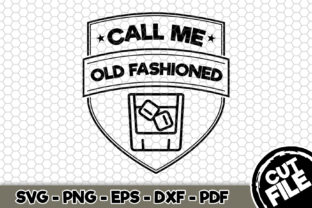
Call Me Old Fashioned: A Designer’s Real-World Review
There is a distinct satisfaction in finding a design that balances personality with technical practicality. As an experienced embroidery designer and product reviewer, I spend most of my days scrutinizing files not just for their aesthetic appeal, but for how they behave under the needle. When I first loaded Call Me Old Fashioned into my software, I was looking for more than just a catchy whiskey quote. I wanted to see if this graphic could hold its own in a real-world production environment. This isn’t just about pretty pixels; it is about whether this file translates into a high-quality, durable finished product that customers will love and trust.
First Impressions: Mood and Visual Personality
The immediate vibe of Call Me Old Fashioned is warm, rustic, and undeniably classic. It taps into that cozy, heritage aesthetic that has become so popular in modern home decor and apparel. The layout feels balanced, suggesting a design that respects negative space rather than crowding the hoop. For those of us working in Crafts and Graphics, we know that simplicity often reads better in thread than on screen. This design appears to lean into that principle, offering a visual personality that feels approachable yet sophisticated.
I imagined this piece stitched onto a heavy canvas tote or the chest of a charcoal grey sweatshirt. It doesn’t scream for attention; instead, it invites a closer look. That subtle confidence is exactly what makes a design successful for boutique branding. It feels like something you would find in a curated small shop product line, rather than a mass-produced item. The theme suggests leisure, tradition, and a touch of humor, which makes it incredibly versatile for personalized gifts.
Real-World Application: Where This Design Shines
To truly evaluate an embroidery file, you have to take it out of the digital realm and into the workshop. I tested the concept of Call Me Old Fashioned across several potential projects. Here is where I believe it performs best:
- Custom Apparel: This design is ideal for sweatshirt embroidery. Placed on the left chest or centered on the back, it adds a layer of character to basic fleece or cotton blends. The quote resonates well with adult demographics, making it a strong seller for custom orders.
- Home Goods: Imagine this stitched onto a linen tote bag design or a sturdy kitchen towel. The rustic theme pairs perfectly with natural fibers. It transforms a simple utility item into a statement piece for the home.
- Gift Items: For the holiday embroidery rush, this fits seamlessly into gift guides for fathers, husbands, or anyone who appreciates a classic cocktail. It works beautifully as a personalized gift when paired with initials or a specific date.
- Patches and Accents: If scaled correctly, this could serve as a striking embroidered patch for denim jackets or caps. The graphic nature of the text allows it to stand out even when removed from its original background context.
The versatility here is key. Whether you are an Etsy seller looking to expand your catalog or a hobbyist making items for friends, Call Me Old Fashioned offers a broad appeal. It bridges the gap between masculine and neutral aesthetics, which widens your potential customer base significantly.
Technical Considerations and Stitching Reality
While the visual appeal is strong, we must discuss the mechanics. Since this product description notes that the file can be imported into programs like Cricut Explore and Silhouette, it is crucial to clarify the intended use. As an embroidery professional, I must advise you to verify the specific file formats included. Ensure you are receiving true machine embroidery formats (such as PES, DST, or JEF) rather than just vector graphics intended for cutting machines. Using a cut file for embroidery without proper digitizing will result in poor stitch quality.
Assuming you have the correct digital embroidery file, pay close attention to stitch density. Quotes and typography-heavy designs can sometimes suffer from excessive density, leading to fabric puckering. Before committing to a final garment, always test the design on scrap fabric that matches the weight and texture of your final material. This step is non-negotiable for maintaining professionalism in your craft business.
Consider the thread colors carefully. This design likely relies on contrast to be legible. On dark fabrics, use light, creamy threads to evoke that "old fashioned" paper label look. On light fabrics, deep browns, burgundies, or navy blues will provide the necessary definition. Avoid using too many color changes if the design allows for a monochromatic look, as this speeds up production time and reduces thread waste.
Navigating Challenges: Fabric and Hoop Constraints
No design is perfect for every situation. There are specific scenarios where you should use Call Me Old Fashioned with caution. If you are working with stretchy fabrics like jersey knits, a robust stabilizer is essential. Without proper support, the text may distort, ruining the clean lines of the typography. Similarly, avoid using this design on very thin or delicate fabrics unless you are experienced with floating techniques and lightweight stabilizers.
Curved surfaces, such as the front of a baseball cap, present another challenge. Ensure the hoop size you select accommodates the full width of the text without stretching the fabric unevenly. If the lettering is small, check the readability after a test stitch. Tiny details can get lost in the pile of the thread, especially if using a fill stitch where a satin stitch might have been cleaner. Always inspect the small corners and edges of the letters for pull compensation issues.
Enhancing Product Value and Brand Consistency
From a business perspective, the right design elevates the perceived value of your handmade product. Call Me Old Fashioned contributes to a cohesive brand identity if your shop focuses on rustic, vintage, or lifestyle themes. It signals to buyers that you understand current trends while maintaining a timeless quality. This builds customer trust and encourages repeat business.
When creating printable mockup images for your online store, ensure the lighting and staging reflect the mood of the design. A warm, ambient photo of this embroidery on a wooden table or draped over a leather chair will perform better than a stark white background. Show the texture of the thread and the quality of the stitches. These design assets are crucial for converting viewers into buyers.
Final Verdict and Practical Advice
In conclusion, Call Me Old Fashioned is a promising addition to your library of commercial embroidery resources. It offers a blend of charm and utility that appeals to a wide audience. However, success lies in the execution. Do not skip the testing phase. Verify your licensing terms to ensure you are compliant when selling finished product items. Check that the file types included match your machine’s requirements.
For the small shop product creator, this design represents an opportunity to create memorable, giftable items that stand out in a crowded market. Treat it with the care it deserves—choose your fabrics wisely, stabilize properly, and stitch with precision. When done right, this piece will not just be another item in your inventory; it will be a favorite among your customers.
Remember, the best embroidery projects are those where the technical execution supports the artistic vision. With Call Me Old Fashioned, you have a solid foundation. Now, it is up to your skill and attention to detail to bring it to life. Happy stitching.